Choice of Life: Middle Ages
Blazing Planet StudioCard
3.553.00 Reviews
- Version
- 1.16
- Installs
- 100.00K
- Age Rating
- Everyone 10+
Screenshots
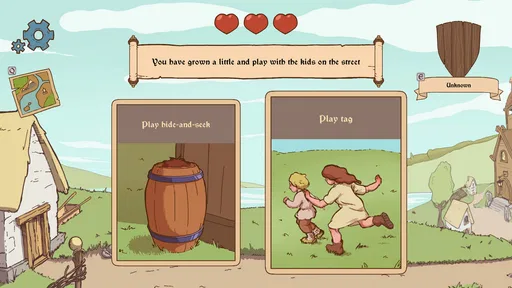
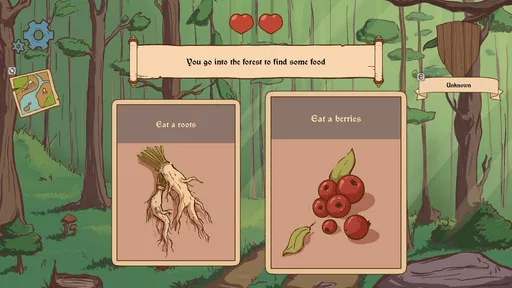
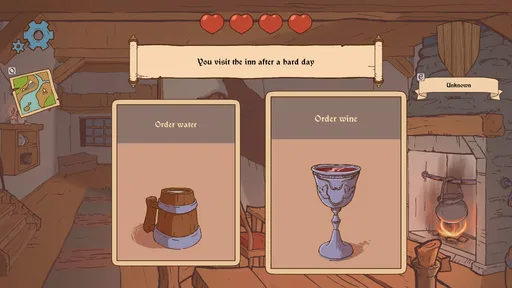
Our Review of Choice of Life: Middle Ages
 Analysis by Appyee
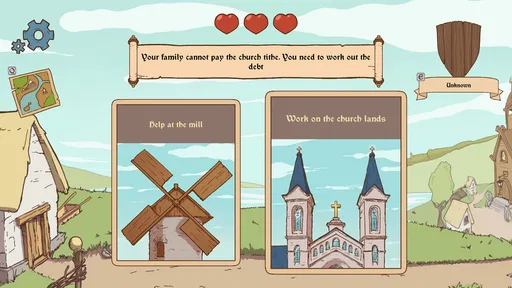
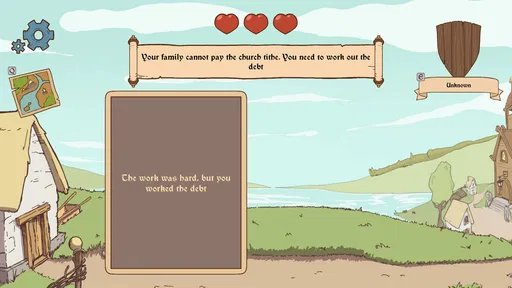
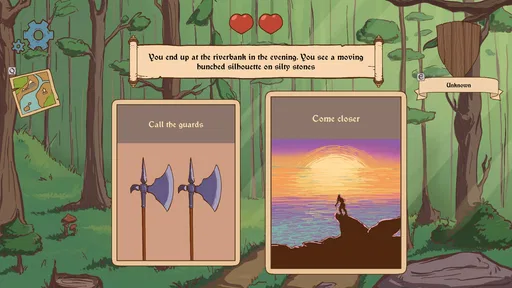
I went into Choice of Life: Middle Ages expecting a compact fantasy read, and what kept my attention was the way ordinary choices can turn into a larger story about the kind of person you become. It is a card game built around decisions rather than quick reflexes, so I can dip into it when I want a few quiet minutes of reading instead of a demanding session. Its medieval setting gives those choices a clear mood, while the branching structure invites me to wonder how a different answer might have changed the outcome.
How the current version fits a short play session
The game is currently at version 1.16, following its release on November 21, 2020. That tells me the experience has had time to develop beyond its original launch, but a version number alone does not show exactly which parts changed or how each update affected the story. I would treat the version as useful context, not a promise of particular new scenes or mechanics. For someone deciding whether to start now, the practical point is that this is an established choice-driven game, not a newly launched experiment.
Blazing Planet Studio made a focused kind of card adventure here: the cards present situations and choices, and the interest comes from considering what each response might cost. The game’s store summary frames its world around the possibility of taking a heroic or villainous direction, but I found it more helpful to approach each decision on its own terms than to try to play toward a label. A choice that looks kind in the moment may not feel wise later, and that uncertainty is part of the appeal.
A decision game, not a reflex challenge
Because the emphasis is on reading and choosing, I do not need to set aside a long block of time or keep my hands busy with precise controls. It suits a short break, a quiet commute when I am not driving, or a relaxed evening when I want to follow a story at my own pace. The trade-off is clear: players looking for action, tactical card battles, or a constantly changing challenge may find the experience too text-led. Its cards serve the narrative rather than the usual competitive deck-building loop.
That distinction also helps set expectations about replaying. A second run makes sense when I genuinely want to see how a different attitude changes the journey, not because the game is asking me to grind for stronger cards or faster progress. I get more from pausing briefly before a choice and asking what my character would actually risk than from trying to guess which answer is secretly “correct.” This approach makes the decisions feel more personal, though it also means the story’s appeal depends heavily on how much I enjoy reading between choices.
What the branching story asks of you
The game is structured around a series of decisions, each one as crucial as the last. You find yourself in scenarios where you must choose between honesty and deceit, bravery and cowardice, love and duty. Every choice leads to a different consequence, making each playthrough a unique experience. I found myself constantly wondering, "What if I had chosen differently?"
One of the standout features is the branching storylines. It’s like having multiple books in one, where each chapter could lead you down an entirely new path. Whether you end up a noble knight or a notorious bandit, the journey is entirely in your hands.
For the most satisfying first run, I recommend resisting the temptation to restart as soon as a choice goes badly. Letting an unexpected consequence stand gives the story room to feel like a life unfolding instead of a puzzle whose answer you are trying to optimize. On another playthrough, I can deliberately test a contrasting approach: if I tended to act cautiously, for instance, I can see what happens when I take a bolder stance. That gives replaying a purpose without requiring me to remember every branch or keep notes.
Storytelling, tone, and moral trade-offs
The narrative is the heart of Choice of Life: Middle Ages. The writing is engaging, pulling you into a world full of intrigue and adventure. The characters you meet along the way are well fleshed out, each with their own stories and motives. I found myself genuinely invested in their fates, wanting to make the best choices for them, even if it meant sacrificing my own goals.
What really impressed me was how the game handles moral dilemmas. It’s not always a simple choice between right and wrong. Often, you're stuck between a rock and a hard place, forced to weigh the pros and cons of each decision. It’s this complexity that keeps you coming back for more.
That moral uncertainty is a good reason to play when I have enough attention to follow what a decision is asking of me. If I am tired and tapping through without reading carefully, the consequence can feel arbitrary even when the choice was meant to be difficult. A small practical habit helps: take a moment to identify who benefits, who may be hurt, and what your character stands to lose before selecting an answer. It does not reveal an ideal route; it simply makes the decision feel more deliberate.
Interface and the value of another run
Beyond the compelling story, the game offers some neat features that enhance the experience. The simple yet effective interface makes navigation a breeze. You’re not bogged down by unnecessary menus or complicated controls, allowing you to focus entirely on the storytelling.
The replay value is also worth mentioning. With so many possible outcomes, you’re encouraged to play through multiple times to uncover all the secrets the game has to offer. Each playthrough reveals new layers, ensuring that the game never feels stale.
In everyday use, that simplicity makes it easy to pick up after a pause: I can return to the narrative without first relearning a complicated control scheme. The more important question is whether I want to revisit its situations. Unlike a card battler that can offer variety through new matches, this game’s variety comes from choosing a different response and seeing where the story takes me. If I enjoy comparing character paths, that is a natural reason to return; if I only want a fresh challenge each time I open a game, replaying the same narrative framework may feel less compelling.
Who should spend the asking price
Choice of Life: Middle Ages costs $1.49, so I would weigh that against the kind of play I actually want rather than expecting an action game or an endlessly refreshed card collection. The asking price is for a self-contained story experience, and its appeal is strongest for readers who like fantasy settings, consequential decisions, and the possibility of seeing a different path on another run. It is also a reasonable fit for someone who wants a low-pressure game to play in short stretches.
I would steer away from it if you need multiplayer competition, fast combat, or a game where collecting and tuning a deck is the main attraction. It is also less suited to anyone who dislikes making choices without knowing the outcome in advance. The age rating is Everyone 10+, which gives families a useful starting point, though I would still consider whether a particular younger player enjoys reading and reflecting on moral situations rather than relying on the rating alone.
One realistic way to use it is to play a few scenes during a lunch break, stop when real life calls, and continue later with the same character instead of trying to finish a whole story in one sitting. I would avoid making choices while distracted: the game’s main pleasure comes from considering them, so a noisy moment or a rushed few seconds can flatten the experience. For a more social evening, a friend can suggest an option before I choose, turning a private story into a light conversation about risk and responsibility; the decision remains mine, but the discussion can make the moral tension more enjoyable.
Price, compatibility, and the choice between alternatives
The game has an average rating of 3.5 from around 1,400 ratings, with 53 written reviews, and has passed 100,000 installs. I read those figures as signs that it has found an audience, not as proof that it will suit every player. Card games cover very different tastes: someone who wants head-to-head matches should look for a competitive card game, while someone who enjoys branching fiction but prefers a different setting may be happier with another interactive story. This one sits in the narrower space where medieval atmosphere and personal choices are the draw.
It supports Android 6.0 and later. Before paying, I would check that the device I plan to use meets that requirement and that I am comfortable with a story-focused purchase. The price is modest, but the experience is only good value if I want to read and revisit choices; a low cost cannot make a slow, narrative format exciting for someone who came looking for rapid action.
The current version number and the game’s release history are useful context, but they do not tell me what future development will bring. I would watch for clear notes about changes before assuming an update adds new branches or alters an existing route. For someone already playing, that is a practical way to separate confirmed improvements from wishful thinking; for a new player, it is better to judge the game by the decision-led experience available now.
My recommendation after playing
In conclusion, Choice of Life: Middle Ages is a captivating dive into a world where your decisions truly matter. It’s a game that offers more than just entertainment; it challenges you to think critically about the choices you make and their consequences. Whether you’re a fan of historical settings or just love a good story, this game is definitely worth your time.
If you’re ready to test your mettle and see where your choices lead you, give Choice of Life: Middle Ages a try. It’s not just a game; it’s an adventure waiting to unfold at your fingertips.
Verdict
Strengths of Choice of Life: Middle Ages
- Engaging medieval storyline.
- Multiple choices impacting outcomes.
- Rich, immersive graphics.
- Easy-to-navigate interface.
- Regular updates adding content.
Limitations of Choice of Life: Middle Ages
- Limited free content available.
- In-app purchases needed for progression.
- Occasional loading delays.
- Requires constant internet connection.
- Some choices feel repetitive.
Similar Picks in This Category
View All
Solitaire - Classic Card Games
MobilityWare4.6

UNO!™
Mattel163 Limited4.3

Spider Solitaire: Card Games
MobilityWare4.6

Solitaire.com - Classic Cards
Tripledot Studios Limited4.7

Plants vs. Zombies™ Heroes
ELECTRONIC ARTS4.1

Hearthstone
Blizzard Entertainment, Inc.4.1
Frequently Asked Questions
What is the main gameplay experience of Choice of Life: Middle Ages?
Choice of Life: Middle Ages is a text-based adventure game where players make decisions that affect their journey through a medieval world. Each choice can lead to different outcomes, influencing the story's progression and the character's fate. The game emphasizes decision-making, with a focus on narrative depth and replayability.
Can I play Choice of Life: Middle Ages offline?
Yes, Choice of Life: Middle Ages can be played offline. This allows you to enjoy the game's immersive storytelling and decision-making aspects without needing a constant internet connection, making it perfect for playing on the go or in areas with limited connectivity.
Is Choice of Life: Middle Ages suitable for all age groups?
While Choice of Life: Middle Ages features a rich narrative set in a medieval world, it may contain themes more suitable for older players, such as complex moral dilemmas or historical violence. It's advisable for parents to review the content to ensure it aligns with their expectations for younger players.
Does Choice of Life: Middle Ages offer in-app purchases?
Choice of Life: Middle Ages may include in-app purchases that enhance the gaming experience, such as additional storylines or customization options. While the core game is enjoyable without them, these purchases can offer a deeper engagement for players who wish to explore more content.
What platforms is Choice of Life: Middle Ages available on?
Choice of Life: Middle Ages is available on both Android and iOS platforms. Players can download it from the Google Play Store or Apple App Store, ensuring broad accessibility for users on various mobile devices. The game is optimized for smooth performance across different operating systems.
Play our best games!


